
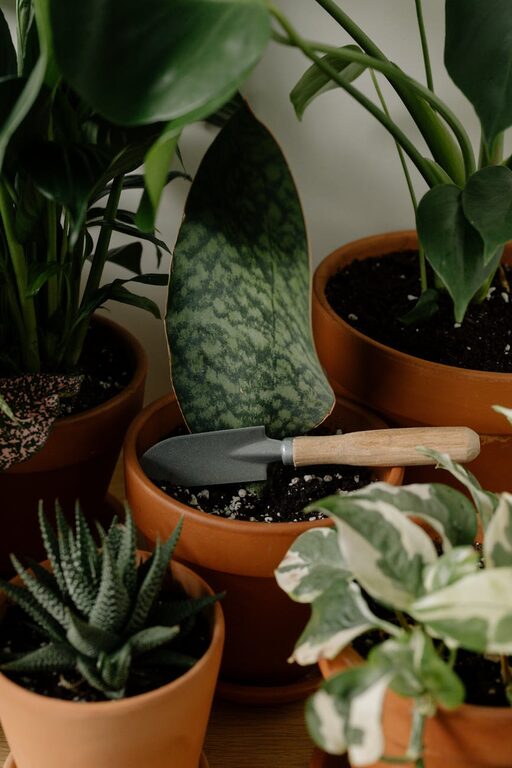
Bringing houseplants into your home can brighten your space and improve air quality, but keeping them healthy requires some attention and care. Whether you have a collection of succulents, ferns, or flowering plants, understanding their needs will help them thrive. In this post, we share practical tips to maintain vibrant, lush houseplants that grow strong and beautiful.
Understanding Your Plants’ Needs
Houseplants come from a variety of environments, so their care can differ significantly. Before anything else, get to know the specific needs of each plant species in your home.
Light Requirements
Most plants have preferred light levels:
– Bright, indirect light: Many popular houseplants, like pothos and peace lilies, thrive here.
– Direct sunlight: Succulents and cacti usually need several hours of direct sun daily.
– Low light: Some plants, like snake plants and ZZ plants, tolerate low-light conditions but still need some indirect light.
Observe your plant’s response to light and adjust its placement as needed.
Watering Guidelines
Over- and underwatering are common issues:
– Feel the soil: Stick your finger into the soil about an inch deep—if it’s dry, it’s time to water.
– Drainage is key: Use pots with drainage holes to prevent waterlogging.
– Water evenly: Water until it seeps out the drainage holes, then let the soil dry before the next watering.
Remember, different plants have different water needs; succulents like drier soil, while ferns prefer consistently moist soil.
Creating the Ideal Environment
Houseplants also benefit from the right temperature, humidity, and airflow.
Temperature and Humidity
Most houseplants prefer temperatures between 65-75°F (18-24°C). Avoid placing plants near drafts, heaters, or air conditioners, as sudden temperature changes can stress them.
To increase humidity:
– Use a room humidifier.
– Group plants together; transpiration will raise the local humidity.
– Place a shallow tray with water and pebbles near your plants.
Many tropical plants especially enjoy high humidity.
Air Circulation
Good airflow reduces the risk of pests and diseases. Avoid overcrowding plants and occasionally open windows or use fans to keep air moving gently around your plants.
Feeding Your Plants
Plants need nutrients to grow well. Indoor soil can lose nutrients over time, so feeding is important.
Fertilizing Tips
– Use a balanced, water-soluble fertilizer formulated for houseplants.
– Feed during the growing season (spring and summer) every 4-6 weeks.
– Reduce or stop feeding in fall and winter when plant growth slows.
Avoid over-fertilizing, which can harm your plants.
Repotting and Soil Care
Over time, plants can outgrow their pots or soil can become compacted.
When to Repot
Signs you need to repot include:
– Roots growing out of drainage holes.
– Soil dries out very quickly after watering.
– Plant looks top-heavy or growth has slowed.
Choose a pot 1-2 inches larger in diameter with good drainage.
Soil Choices
Use a potting mix suitable for your plant type:
– Succulents prefer sandy, well-draining soil.
– Tropical plants like moisture-retaining soil with organic matter.
Fresh soil helps provide nutrients and improves drainage and aeration.
Pest Prevention and Management
Indoor plants can attract pests like spider mites, aphids, or mealybugs.
Tips to Prevent Pests
– Quarantine new plants before bringing them into your collection.
– Inspect plants regularly for signs of pests.
– Keep foliage clean by gently wiping leaves with a damp cloth.
Natural Pest Control
– Use insecticidal soaps or neem oil sprays.
– Introduce beneficial insects like ladybugs if appropriate.
– Remove heavily infested leaves to prevent spread.
Regular Maintenance Practices
Simple care habits make a big difference.
Pruning and Cleaning
– Remove dead or yellowing leaves to promote new growth.
– Prune leggy stems to encourage bushier plants.
– Clean leaves occasionally to remove dust and improve photosynthesis.
Monitoring Plant Health
Pay attention to changes like drooping, leaf spots, or discoloration. Early detection of issues means faster solutions.
Final Thoughts
Caring for houseplants is a rewarding experience that can enhance your home’s atmosphere. By paying attention to light, water, environment, feeding, and pest control, you create the best conditions for your plants to flourish. With consistent care, your green companions will bring joy and beauty for years to come.
Happy planting!