
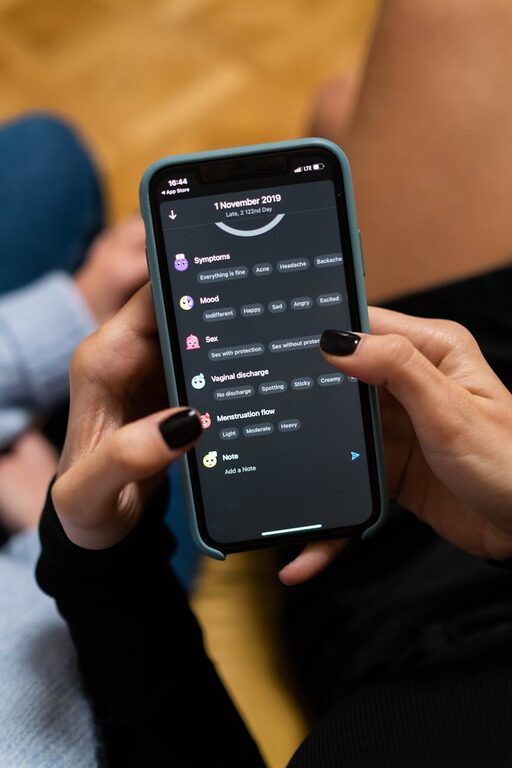
In today’s connected world, smartphones play a central role in our daily lives. Whether for work, socializing, or entertainment, phones have become indispensable tools. However, excessive or unhealthy phone use can lead to problems like reduced focus, poor sleep, and increased stress. Developing healthy phone habits can help you strike a better balance and improve your overall well-being.
In this post, we’ll explore effective strategies to maintain healthy phone habits without missing out on the benefits of technology.
Why Healthy Phone Habits Matter
Phones offer convenience, information, and connection. But when overused, they can impact:
– Mental health: Constant notifications and endless scrolling can cause anxiety or distraction.
– Sleep quality: Using phones before bed can interfere with sleep due to blue light exposure.
– Productivity: Frequent interruptions can reduce concentration and task efficiency.
– Relationships: Excessive screen time may reduce face-to-face interactions.
By adopting mindful phone usage, you can enjoy technology while minimizing negative effects.
Set Purposeful Phone Usage Limits
One of the first steps to healthier phone habits is setting clear boundaries.
Establish Daily Screen Time Goals
Many devices now include built-in screen time trackers. Use these tools to become aware of how much time you spend on your phone each day.
Try to set realistic goals, such as reducing recreational screen time by 30 minutes daily. Gradually adjust to find what works best for you.
Designate Phone-Free Times
Create phone-free windows during your day, such as during meals, an hour before bed, or the first hour after waking up. This allows you to be more present and reduces dependency.
Use "Do Not Disturb" Modes
Activate do not disturb modes during focused work or rest times to limit interruptions from calls and notifications.
Create an Intentional Phone Environment
Your phone’s setup and app habits can influence how often and how long you use it.
Organize Your Home Screen
Keep only essential apps on the home screen. Move social media, games, or distracting apps into folders or secondary pages to reduce temptation.
Turn Off Non-Essential Notifications
Notifications are designed to grab your attention. Disable alerts from apps that aren’t urgent or necessary to reduce distractions.
Uninstall or Limit Time on Distracting Apps
If certain apps lead to excessive use, consider uninstalling them or using time limits and app blockers to help control your usage.
Practice Mindful Phone Use
Mindfulness around phone interaction encourages intentional use.
Pause Before Unlocking
Before picking up your phone, ask yourself: “Why do I want to use it right now?” This simple pause can reduce impulsive checking.
Focus on One Task at a Time
Avoid multitasking with your phone. Give full attention to what you’re doing—whether it’s a phone call, reading, or replying to messages.
Use Your Phone to Support Well-being
Explore apps that promote relaxation, meditation, or learning. Using your phone intentionally can improve your mental health.
Improve Sleep by Adjusting Phone Habits
Your phone use can heavily impact your sleep quality.
Avoid Screens Before Bedtime
Try to stop using screens at least 30 minutes before bedtime. Instead, engage in calming activities such as reading a book or meditating.
Use Night Mode or Blue Light Filters
Most phones have settings that reduce blue light exposure in the evening, which can help reduce sleep disruption.
Keep Phones Out of the Bedroom
Charge your phone in another room or at least away from your bed to avoid late-night distractions.
Encourage Real-Life Connections
Phones are great for staying connected, but overuse can detract from personal interactions.
Schedule Offline Time with Friends and Family
Set aside time regularly to enjoy face-to-face activities, free from phone interruptions.
Share Your Healthy Phone Habits
Encourage those around you to join you in mindful phone use. Having shared goals can be motivating.
Monitor Your Progress and Adjust
Healthy habits develop over time and require regular reflection.
Keep a Phone Usage Journal
Note when and why you use your phone. Recognizing patterns helps identify triggers for excessive use.
Celebrate Small Wins
Acknowledge your progress in reducing unnecessary phone time. Positive reinforcement encourages continued effort.
Be Flexible
Adjust your strategies as needed. What works for one person may not work for another, so personalize your approach.
Conclusion
Maintaining healthy phone habits doesn’t mean giving up your device. It’s about using your phone in ways that support your well-being and priorities. By setting limits, creating an intentional environment, practicing mindfulness, improving sleep routines, and fostering real-world connections, you can enjoy the benefits of technology while reducing its drawbacks.
Start small, be consistent, and watch how these habits enhance your focus, mood, and overall quality of life. Remember, your phone should serve you—not the other way around.