
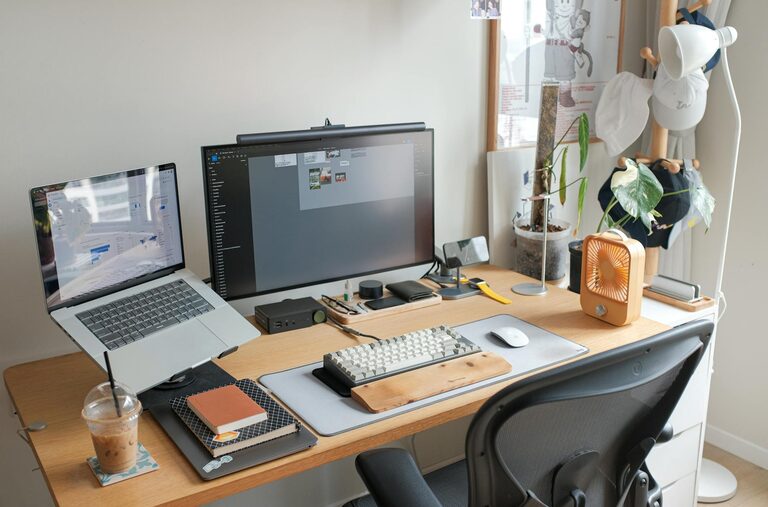
Working from home offers flexibility and comfort, but it can also come with challenges—especially when it comes to staying focused. Without the structure of a traditional office, distractions can easily creep in, making it hard to maintain productivity throughout the day. The good news is that with a few practical strategies, you can create an environment and routine that encourages better focus and helps you get more done.
In this post, we’ll explore actionable tips to improve your concentration when working remotely. Whether you’re new to remote work or just looking to optimize your approach, these suggestions can boost your efficiency and work satisfaction.
Create a Dedicated Workspace
One of the most important steps for staying focused is to establish a specific area in your home just for work. This doesn’t have to be a full office—it can be a corner of a room or a small desk—but dedicating space signals to your brain that it’s “work time” when you’re there.
– Keep this workspace tidy and organized. Clutter can be distracting.
– Make sure you have all the tools you need close at hand, like your computer, chargers, notebooks, and pens.
– If possible, choose a quiet spot away from high-traffic areas in your home.
Set Clear Work Hours
Without set office hours, work can easily bleed into personal time and vice versa. To prevent this, create a consistent schedule that mimics a traditional workday.
– Choose start and end times that suit your lifestyle and job requirements.
– Stick to breaks and lunch times, and avoid overtime unless necessary.
– Communicate your working hours to household members to reduce interruptions.
Use Time Management Techniques
Structured blocks of focused work time help maintain momentum and reduce procrastination.
Try the Pomodoro Technique
This popular method involves working for 25 minutes, then taking a 5-minute break, repeating the cycle four times before taking a longer break. It encourages short bursts of concentration while preventing burnout.
Make Daily To-Do Lists
Plan your day by listing tasks in order of priority. Crossing items off as you complete them provides a sense of achievement and keeps you on track.
– Break larger projects into smaller, manageable steps.
– Review and adjust your list regularly to stay organized.
Minimize Distractions
Distractions are everywhere, especially at home. Awareness and proactive steps can make a big difference.
– Turn off unrelated notifications on your phone and computer.
– Use apps or browser extensions that block distracting websites during work hours.
– Inform family or housemates of your schedule to reduce interruptions.
Take Regular Breaks
Short breaks help refresh your mind and maintain creativity during long working sessions.
– Stand up, stretch, or take a quick walk to improve circulation.
– Drink water and snack on healthy foods to keep your energy up.
– Avoid screen time during breaks when possible, to give your eyes a rest.
Practice Mindfulness and Stress Management
Mental clarity supports focus, so incorporating mindfulness and relaxation techniques into your routine can help.
– Try deep breathing exercises or short meditation sessions.
– Consider simple yoga stretches to relieve tension.
– Maintain a positive mindset and avoid multitasking, which can reduce effectiveness.
Optimize Your Home Office Environment
Small changes to your physical environment can improve concentration.
– Ensure your workspace has good lighting, preferably natural light.
– Use ergonomic furniture to stay comfortable and reduce fatigue.
– Control room temperature and noise levels to suit your preferences.
Set Boundaries Between Work and Personal Life
Separating professional tasks from home activities makes it easier to focus during work hours and relax afterward.
– Avoid checking personal emails or social media during work time.
– Dress in work-appropriate clothing to mentally switch into “work mode.”
– At the end of the day, close your workspace and transition into personal time.
Stay Connected with Colleagues
Isolation can reduce motivation and focus, so maintain communication with your team.
– Use regular video calls or chats to stay in touch.
– Share your goals and progress to foster accountability.
– Seek support or feedback when needed.
—
Working from home successfully requires intention and discipline. By creating a dedicated workspace, managing your time wisely, minimizing distractions, and taking care of your wellbeing, you can foster better focus and productivity. Try incorporating these tips into your daily routine and observe how they transform your work-from-home experience.